
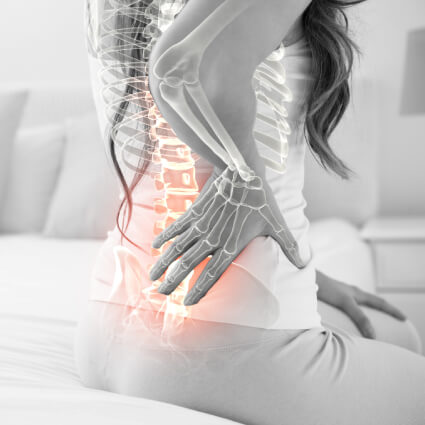
Bulging Disc Treatment in Omaha
A bulging disc can make ordinary movements feel much harder than they should, from bending to tie your shoes to twisting to grab something from the back seat. The pain may be sharp and sudden, or it may linger as a nagging ache that never fully goes away.
The Sponge Mechanism Behind Disc Health
At OpenDoor Chiropractic, Dr. Tim Sullivan looks beyond the disc itself to understand how well the surrounding joints are moving. Around age 20, discs lose their direct blood supply. Without it, a disc relies on joint movement to pump fluid in and out, a process called imbibition that works much like a sponge drawing in and releasing water when you squeeze it.
Chiropractic care helps restore that movement, which may ease related symptoms and dysfunction. It may not significantly reduce or eliminate the bulge itself. In fact, many people have a disc bulge with zero symptoms, so the bulge isn’t always the real problem.
How Years of Small Strain Add Up
Disc bulges rarely happen overnight. Certain habits and movement patterns can gradually increase the load placed on the spine and its discs:
- Repetitive bending, twisting, or lifting
- A job or hobby with repeated spinal loading
- Carrying excess weight
- A sedentary lifestyle that weakens surrounding muscles
- Poor nutrition
The Pain Pattern That Signals a Disc Issue
Pain that starts at the spine and travels into the legs or arms is a red flag and should be evaluated as soon as possible. Increased difficulty or time needed to go from sitting to standing is another sign worth paying attention to.
These symptoms tend to build gradually rather than appear all at once, which is part of why they’re easy to dismiss until they’re harder to ignore.
When Sitting To Standing Becomes a Production
If pain is radiating away from your spine, or if getting up from a chair has started taking real effort, it’s time to have it evaluated. The earlier disc issues are addressed, the more options you typically have for managing them.
Care Built Around the Extent of the Injury
Proper management starts with understanding how significant the injury is. Adjustments can help, but the specific plan depends on what we find and may include certain positions, stretches, ice or heat, and co-management with another provider when needed.
We’ll walk you through what we’re seeing and why, so you understand the reasoning behind every part of your care, not just what we’re doing but what it’s meant to accomplish.
Staying Ahead of The Next Flare Up
Reduced joint mobility can be a silent problem that builds quietly before a disc issue resurfaces, which is why consistent care can play an important role in reducing flare-ups.
Lifestyle habits matter too. Aim for 15-20 minutes of moderate- to high-intensity exercise three times a week, stretch before and after intense activity, cut back on high-sugar foods, and use proper form when you lift. Together with regular chiropractic visits to maintain joint mobility, these habits can help protect your spine over the long term.
Ready To Move Without Bracing for Pain?
A bulging disc doesn’t have to dictate how you bend, lift, or sit. With care based on the extent of the injury and practical habits between visits, you can work toward moving more comfortably and confidently.
Contact [PRACTICE NAME to get started.
